

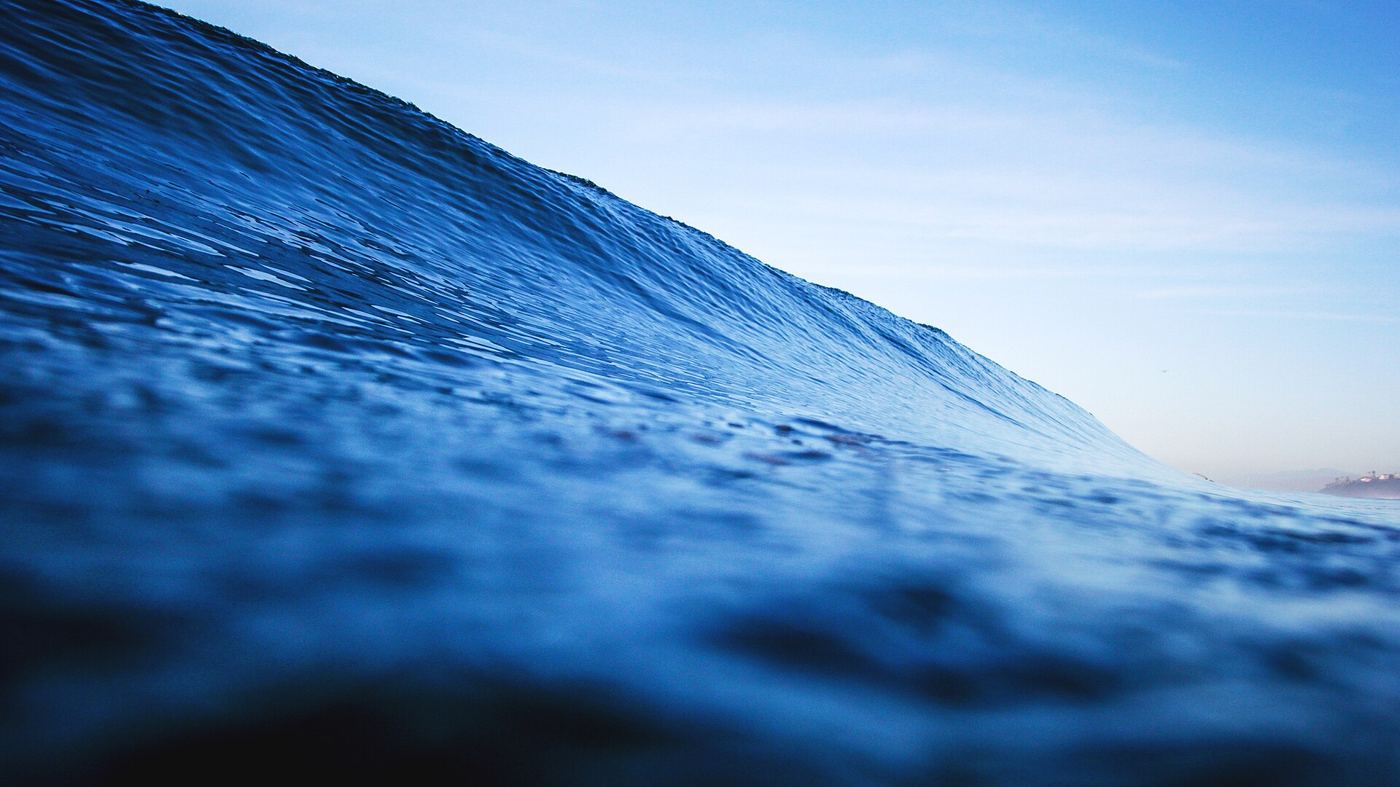
In parts of the ocean, the water holds so little oxygen that fish, crabs and other animals cannot survive there. These areas are called dead zones, and they are growing. Some form naturally where deep water is cut off from the surface, but most of the growth is driven by human activity. Fertilisers and sewage wash down rivers into the sea, feeding huge blooms of algae. When the algae die and sink, bacteria consume them and use up the oxygen in the water below. Warming makes the problem worse, because warm water holds less oxygen than cold water, and because warmer surface water forms a lid that stops oxygen-rich water mixing downwards. The result is a layer of water where animals must flee, suffocate or die. The Gulf of Mexico, the Baltic Sea and coastal waters off many countries now experience dead zones every summer, some covering thousands of square kilometres.
What the Evidence Shows
Dead zones damage fishing, tourism and the ecosystems that coastal communities depend on. Fishers find their catches shrinking or moving elsewhere, and crabs and shellfish that cannot escape are lost. The damage is not always permanent: when nutrient pollution is cut, oxygen levels can recover, as shown by improvements in some rivers and estuaries where treatment plants and farming rules were tightened. Climate change makes recovery harder, because warming is a global force that local action cannot reverse alone, but reducing fertiliser runoff, improving sewage treatment and protecting wetlands that filter water all help. Scientists monitor dead zones with ships, buoys and satellites, tracking their size and timing each year. The zones are a clear signal from the ocean that what happens on land, in fields and cities, does not stay on land, and that the health of the sea depends on decisions made far from the shore. Cleaner rivers and healthier coasts are therefore part of the same fight against warming seas. Reporting and analysis from sources such as Nature track the same developments, and specialists following ocean dead zones say the direction is now consistent across independent lines of evidence.
The Wider Context
The wider context is a research landscape in which replication and open data now decide reputations. Findings connected to ocean dead zones are being checked by independent groups with shared datasets, and the teams involved publish their methods in full so rivals can test every step. That discipline is slower than a headline cycle, but it is why results in this area increasingly survive first contact with scrutiny.
What Happens Next
What happens next in the story of ocean dead zones will be decided by follow-up work already under way: larger samples, longer observation and instruments that have not yet come online. The researchers involved are unusually united on one point, that the current results justify the next investment of time and money. Readers will not have to wait long for the first tests of that claim. You can follow related developments in our coverage of science.
None of this will be settled by a single announcement, study or product launch. The pattern to watch is accumulation: independent confirmations, honest reporting of failures and steady improvement in the underlying numbers. Readers who follow those signals, rather than the loudest claim of the week, will understand this subject better than most of the commentary surrounding it suggests is possible.
