

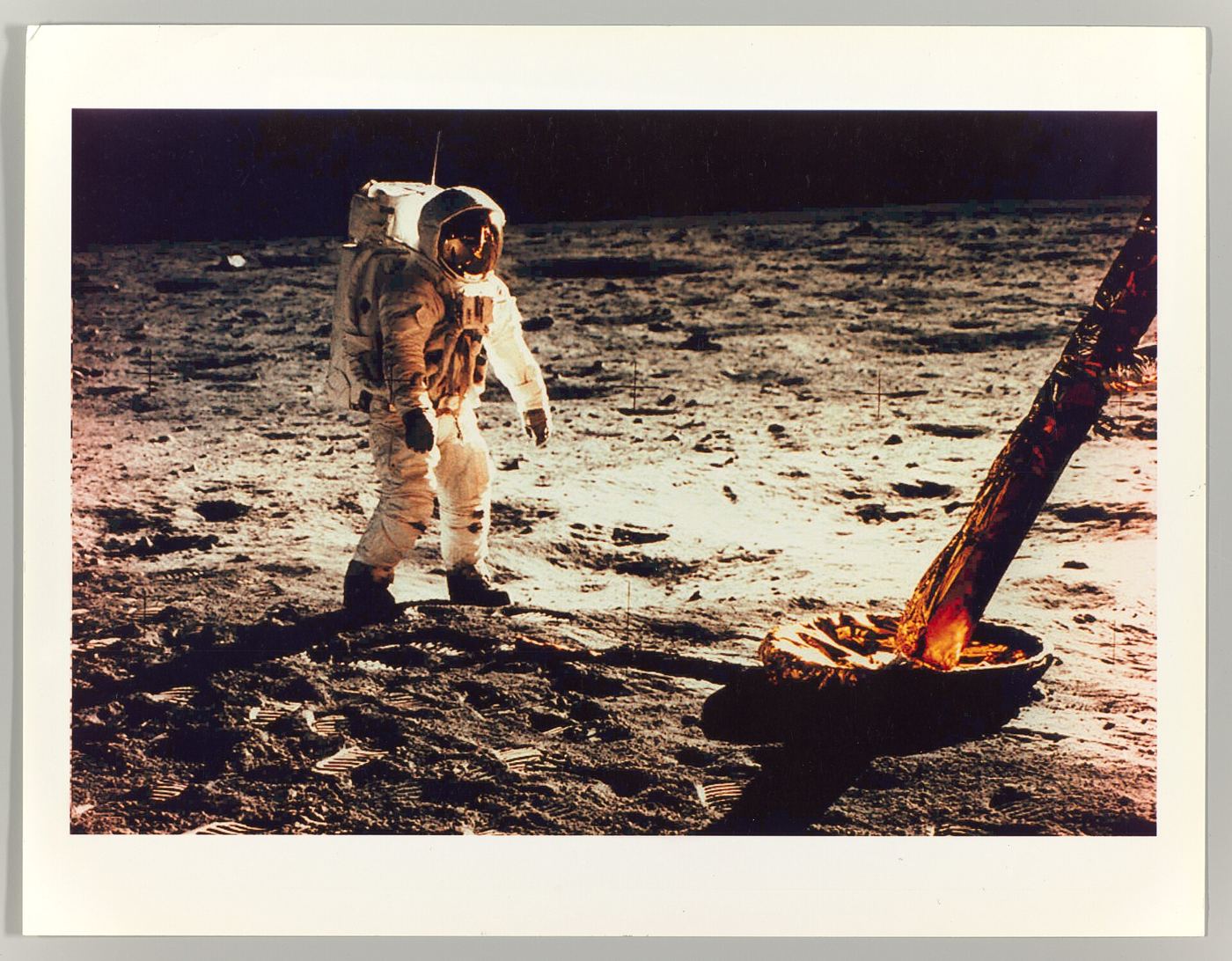
NASA has revealed an accelerated plan to land astronauts on the Moon in 2028, with SpaceX and Blue Origin developing competing lunar landers. The plan was reported on 9 November 2026, and it sets a crucial orbital test for 2027 before the crewed landing. The two companies are building different landers for the job: SpaceX is adapting its Starship spacecraft, which flew its 15th test flight in November, while Blue Origin is developing its Blue Moon lander. The accelerated schedule is a response to the long delays that have pushed the return to the Moon later and later, and it puts the two companies in a race to prove their landers first. The plan keeps the Artemis programme’s goal of returning people to the lunar surface, more than half a century after the last Apollo landing.
What the Evidence Shows
The competition between the two landers is the heart of the plan. SpaceX’s Starship is the larger and more ambitious design, built to carry heavy cargo and eventually people to Mars, while Blue Origin’s Blue Moon is a smaller, more conventional lander. Both must prove they can fly to the Moon, land safely and take off again, and the orbital test in 2027 will show whether either design is ready. The accelerated timetable also depends on the Space Launch System rocket and the Orion spacecraft, which will carry astronauts to lunar orbit, and on the RS-25 engines that power the rocket, which passed a 200-second test in November. A landing in 2028 would put astronauts on the Moon just as the Artemis programme enters its most demanding phase, and the coming year will show whether the new pace can hold. Reporting and analysis from sources such as Nature track the same developments, and specialists following NASA’s accelerated Moon landing plan say the direction is now consistent across independent lines of evidence.
The Wider Context
The wider context is a research landscape in which replication and open data now decide reputations. Findings connected to NASA’s accelerated Moon landing plan are being checked by independent groups with shared datasets, and the teams involved publish their methods in full so rivals can test every step. That discipline is slower than a headline cycle, but it is why results in this area increasingly survive first contact with scrutiny.
What Happens Next
What happens next in the story of NASA’s accelerated Moon landing plan will be decided by follow-up work already under way: larger samples, longer observation and instruments that have not yet come online. The researchers involved are unusually united on one point, that the current results justify the next investment of time and money. Readers will not have to wait long for the first tests of that claim. You can follow related developments in our coverage of science.
None of this will be settled by a single announcement, study or product launch. The pattern to watch is accumulation: independent confirmations, honest reporting of failures and steady improvement in the underlying numbers. Readers who follow those signals, rather than the loudest claim of the week, will understand this subject better than most of the commentary surrounding it suggests is possible.
