

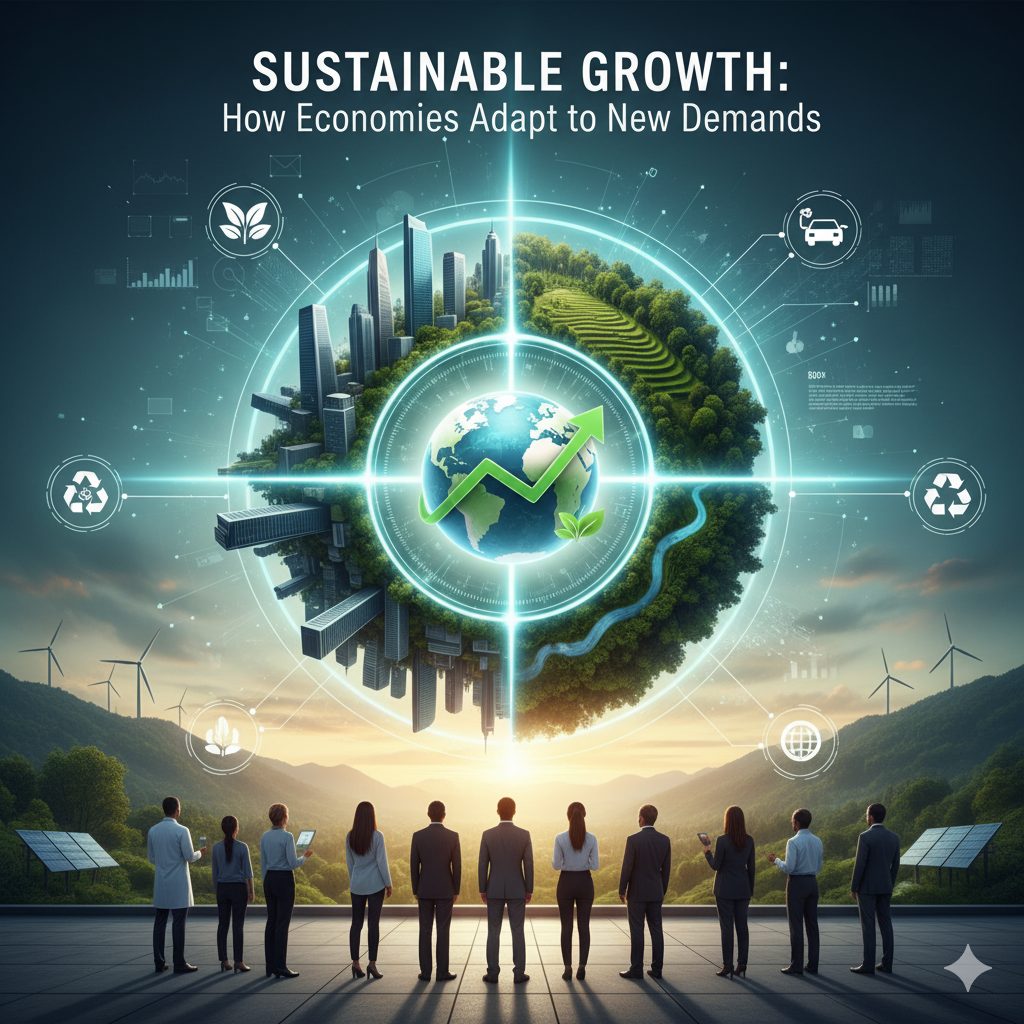
bulgariajournal is here to bring you one of the most fascinating topics shaping our world today — sustainable growth and how economies are evolving to meet new challenges. In an era where technology, climate change, and shifting consumer preferences are transforming everything, understanding how economies adapt is crucial for businesses, governments, and individuals. This article dives deep into the concept of sustainable growth, exploring its drivers, strategies, and impacts worldwide.
Understanding Sustainable Growth
What Sustainable Growth Really Means
Sustainable growth is not just about increasing GDP; it’s about achieving progress without exhausting resources or harming future generations. It balances economic development, environmental protection, and social well-being. In practical terms, it means building systems that allow prosperity while minimizing negative impacts on nature and communities.
Historical Context of Growth Models
For decades, economic growth focused on production, consumption, and maximizing profits. Industrial revolutions spurred rapid progress but often left environmental damage behind. Today, the model is shifting — innovation, renewable resources, and ethical production are taking center stage.
Drivers of Economic Adaptation
Technology as a Catalyst
Technology plays a pivotal role in reshaping industries. Artificial intelligence, automation, and digitalization create new opportunities for efficiency and reduce waste. These innovations allow businesses to scale while cutting costs and emissions.
Consumer Demand for Responsibility
Modern consumers expect more than just products — they want brands that reflect their values. Sustainable packaging, ethical sourcing, and transparent supply chains are no longer optional but essential to compete.
Climate and Resource Pressure
With rising temperatures and shrinking resources, economies are under pressure to adapt. Governments introduce stricter regulations, while companies invest in green energy and circular economies to stay competitive.
Strategies for Achieving Sustainable Growth
Embracing Circular Economies
A circular economy reduces waste by reusing, recycling, and repurposing resources. This model turns products into long-lasting assets, reducing dependency on raw materials and lowering costs.
Green Innovation and Clean Energy
Switching to renewable energy sources such as solar, wind, and hydropower is a cornerstone of sustainable growth. Countries investing in clean energy often see reduced pollution and increased energy security.
Investment in Human Capital
Economies grow sustainably when they invest in people — through education, skills development, and healthcare. A skilled workforce is essential for adapting to technological change and building resilient industries.
“Sustainable growth is not just a policy choice — it’s a survival strategy for economies facing a fast-changing future.”
Digital Transformation
Digitization helps governments streamline processes and businesses optimize operations. E-commerce, remote work platforms, and cloud computing open up new ways of working that reduce energy use and transportation needs.
Case Studies of Successful Adaptation
Scandinavia’s Green Economy
Countries like Sweden and Denmark lead the way with carbon-neutral goals and robust public transport networks. Their economies thrive because sustainability is built into their infrastructure and policies.
Asia’s Technological Leap
Nations such as Singapore and South Korea have adopted technology-driven solutions, from smart cities to AI-based energy grids, allowing them to balance growth with sustainability.
Africa’s Renewable Revolution
Africa is embracing solar energy, particularly in regions where traditional power grids are limited. This leapfrog approach allows rural communities to access electricity sustainably.
Challenges in Transitioning to Sustainable Models
Financial and Political Barriers
While the benefits are clear, some economies struggle with the cost of green infrastructure and the political will to make changes.
Resistance to Change
Industries dependent on fossil fuels often resist policies that threaten profits. Transition plans must include just solutions for workers and businesses impacted.
Balancing Growth with Equity
Sustainability is not just about the environment; it’s also about fairness. Unequal distribution of wealth can slow progress and create social tensions.
The Role of Businesses and Entrepreneurs
Corporate Responsibility
Businesses are leading the shift with ESG (Environmental, Social, and Governance) strategies. Companies that adopt green practices often see better investor confidence and customer loyalty.
Innovation from Startups
Startups are driving disruption by offering new solutions — from plant-based foods to biodegradable materials. These small innovators often push larger corporations to adapt.
The Global Policy Landscape
International Agreements
Agreements like the Paris Climate Accord encourage nations to commit to emissions reductions. International collaboration is essential for shared progress.
Government Incentives
Tax breaks, subsidies, and grants for green projects motivate industries to transition faster. Countries that reward sustainable initiatives often see accelerated innovation.
Future Trends in Sustainable Growth
Rise of the Green Economy
The green economy is expected to generate millions of jobs globally. Green tech sectors such as EV manufacturing and renewable energy installation will dominate future markets.
AI and Sustainability
AI will play a key role in monitoring emissions, optimizing energy use, and designing eco-friendly solutions.
Global Cooperation
As challenges like climate change affect everyone, international partnerships will become even more critical.
FAQs
What is the biggest challenge to achieving sustainable growth?
The biggest challenge is balancing economic development with environmental protection while ensuring no one is left behind socially or economically.
How do individuals contribute to sustainable growth?
Individuals can make sustainable choices like reducing waste, supporting ethical brands, and using energy-efficient products. These small actions collectively drive change.
Are developing countries at a disadvantage in sustainable growth?
Not necessarily. Many developing nations leapfrog directly to green technologies, skipping outdated polluting infrastructure, which can actually give them an advantage.
Is sustainable growth expensive?
While there are upfront costs, sustainable growth often leads to long-term savings by reducing waste, improving efficiency, and preventing environmental disasters.
How do businesses measure their sustainability success?
Businesses use metrics like carbon footprint reduction, resource efficiency, employee well-being, and social impact reports to track progress.
Conclusion
Sustainable growth is not a passing trend — it is the future of economic survival. Economies must adapt by embracing technology, renewable energy, circular systems, and inclusive policies. As Bulgarian journal highlights, those who lead in sustainability will not only secure their economic position but also ensure a healthier planet for generations to come. The path forward is challenging, but with collaboration, innovation, and commitment, global economies can thrive in a way that respects both people and the planet.