

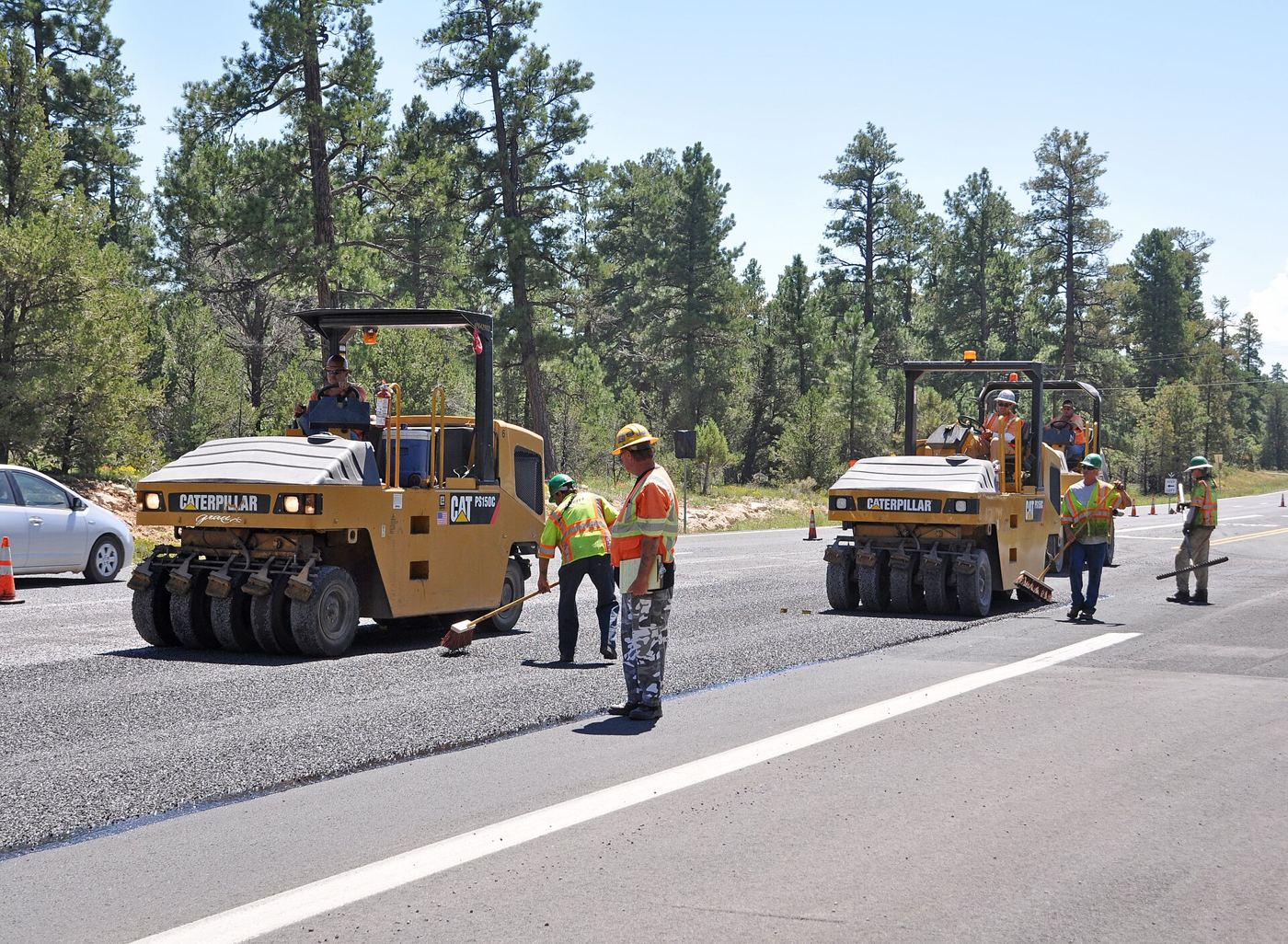
Road crews are working extended shifts to complete resurfacing on worn streets and highways before winter weather makes the job harder and damage worse. Fresh asphalt laid now seals cracks that would otherwise fill with water, freeze, and break the surface apart into potholes. Councils and highway agencies publish closure schedules in advance, but drivers still face delays where several major routes are repaired at once. Officials ask motorists to slow down through work zones, where loose gravel and narrowed lanes create hazards for crews working only metres from moving traffic. Authorities publish interactive maps showing planned works and expected delays, encouraging drivers to allow extra time, choose alternative routes, or travel outside the busiest construction periods where possible.
What the Evidence Shows
Engineers prioritise routes using condition surveys, traffic volumes, and reports from residents, focusing first on surfaces close to failure. Newer asphalt mixes incorporating recycled material are being used on some projects, reducing costs and waste when quality standards can be met. Residents near overnight work often endure noise and vibration, prompting authorities to notify households early and limit the loudest operations where possible. Once temperatures fall, emergency patching replaces planned resurfacing until spring. Transport departments say money spent on timely resurfacing is far cheaper than rebuilding roads that have been allowed to deteriorate completely. Crews ask the public for patience during the final push, noting that a few weeks of disruption now can prevent months of pothole repairs, vehicle damage, and closures through the hardest winter months. Reporting and analysis from sources such as Reuters track the same developments, and specialists following pre winter road resurfacing programme say the direction is now consistent across independent lines of evidence.
The Wider Context
The wider context is a public conversation conducted at a speed institutions were not built for. Developments around pre winter road resurfacing programme are announced, contested and revised within a single news cycle, and the officials involved have learned to publish evidence alongside claims so that scrutiny can actually occur. Trust, the polling suggests, follows that transparency more than it follows confidence.
What Happens Next
What happens next in the story of pre winter road resurfacing programme will be decided in the places where it is being implemented, measured and argued about in public. The officials and organisations involved have committed to publishing progress data, and that commitment gives residents, businesses and journalists something firmer than promises to judge. The next milestones are dated, which means they can be checked. You can follow related developments in our coverage of news.
There is a practical lesson in all of this for readers deciding what to do today. Start with the verified facts, be wary of anyone promising certainty, and prefer reversible steps while the evidence is still developing. Circumstances differ by country, income and personal situation, so general guidance should always be weighed against your own context before you act on it in any significant or lasting way.
